

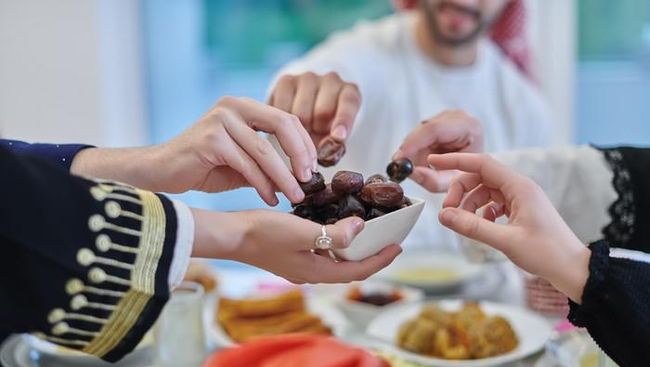
One evening in Madinah, as the sun set and the time for iftar approached, the companions gathered at the house of Prophet Muhammad (PBUH). They eagerly awaited the moment to break their fast alongside the beloved Messenger of Allah.
Before them lay no lavish feast or extravagant dishes. Instead, there were only a few ruthab (fresh dates) and a glass of pure water. With calmness and gratitude, the Prophet (PBUH) picked up a date, raised it, and recited the supplication:
“Allahumma inni laka sumtu wa bika aamantu wa ‘ala rizqika afthartu.”
“O Allah, I have fasted for You, I believe in You, and I break my fast with the sustenance provided by You.”
He placed the date in his mouth, savoring its natural sweetness. Then, he sipped the water slowly, refreshing his throat after a long day of fasting. There were no complaints, no demands for more. This was how the Prophet (PBUH) broke his fast—simple, humble, and filled with gratitude.
The companions, watching in awe, reflected deeply. They knew that Prophet Muhammad (PBUH) could have asked for more luxurious food, but he chose simplicity and blessings instead. He once said:
“Whoever has dates should break his fast with them. If he does not have dates, then he should break his fast with water, for indeed water is pure.” (Hadith by Abu Dawood)
His simplicity taught a profound lesson. Breaking the fast does not require excessiveness; rather, it is about nourishment and blessings. Dates provide an instant energy boost after a day of fasting, while water is the purest and most essential form of hydration.
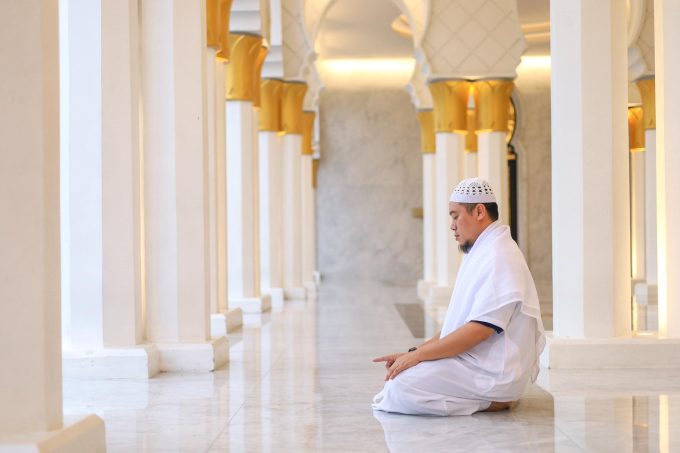
Even after breaking his fast, Prophet Muhammad (PBUH) did not rush to indulge in more food. Instead, he prioritized performing the Maghrib prayer first, demonstrating that worship remains the most important focus, even in moments of hunger.
That night, the companions returned to their homes with hearts full of peace and reflection. They had learned from the Prophet (PBUH) that true blessings are not in the quantity of food but in gratitude and simplicity.
May we all follow his example in observing Ramadan with patience, thankfulness, and modesty. Ameen.






Leave a comment